
Best Deal Today
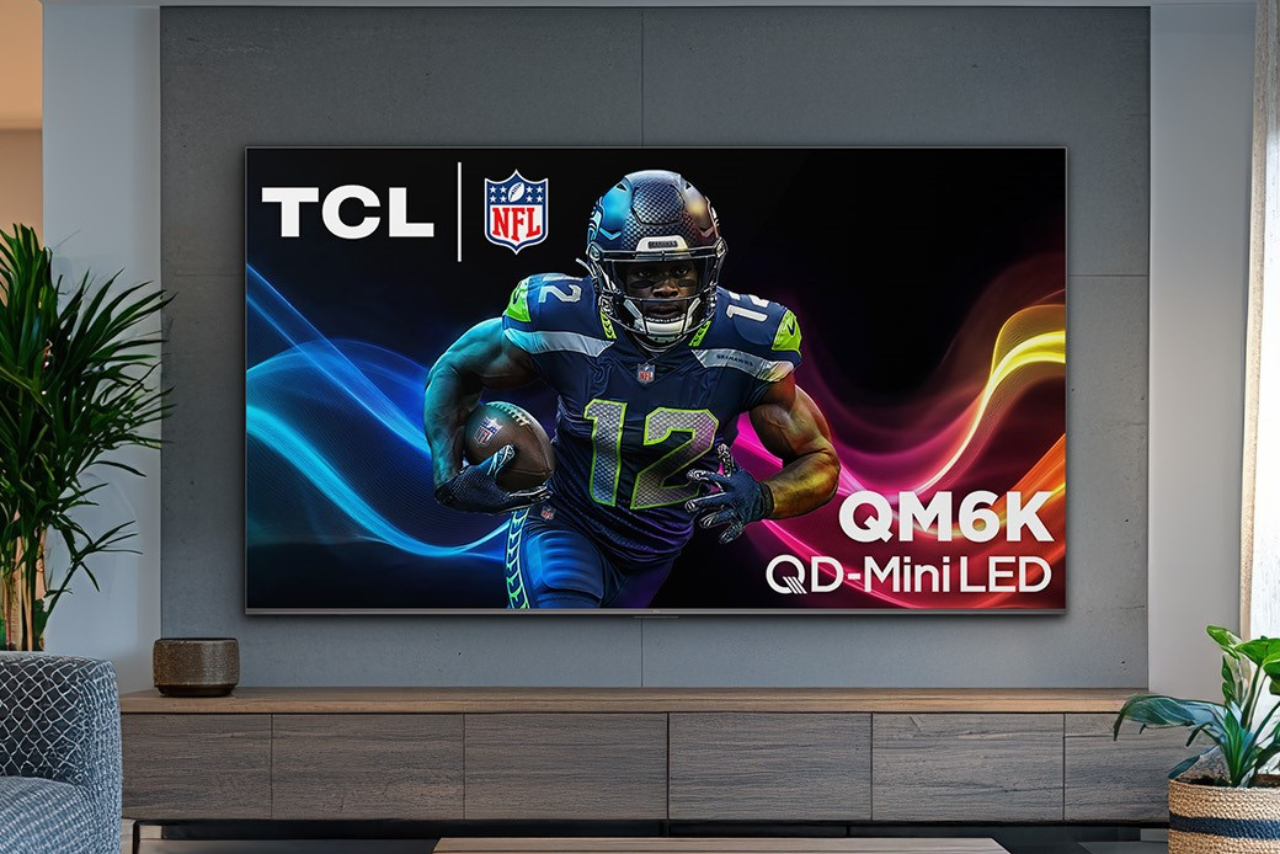
TCL is known to deliver great TVs at different price points, and the same is emphasized in its latest range of budget TVs – the TCL QM6K TV, an entry-level option with Mini-LED technology. The main highlight in the 55QM6K model we’re reviewing is affordable Premium, and it fits the bill quite well.
Beyond being one of the most affordable Mini-LED TVs you can buy right now, the 55QM6K offers a handful of features that you rarely bump into on budget TVs, including Dolby Vision IQ and Dolby Atmos support, and it even ropes in TCL’s own Halo Control technology that does affine job minimizing backlight blooming in pictures.
The extra picture enhancement features combined with its affordable price should rank the TCL QM6K among the best TVs for folks looking to straddle the thin line between premium performance and value.
Well, this TCL has a few shortcomings that may paint slightly expensive TVs such as the Panasonic Z95 Series as worth the extra cash. Audio quality isn’t all that great on this TV, though that’s a concern shared across this category; you should just get one of the best soundbars regardless. Also, the screen has some minor vignetting in the corners, but that doesn’t affect the viewing experience to a large extent.
That said, those are minor concerns that you probably won’t even notice, even with a keen eye. The TCL 55QM6K mostly does everything right, especially from a home end-user point of view. It delivers a picture that’s vibrant, sharp, and bright. It boasts a fast 144Hz refresh rate. And, it’s easy to use and will look beautiful in your living room. For this is easily one of the best TVs for gaming at the sub-$1,000 price point.
TCL QM6K Specifications
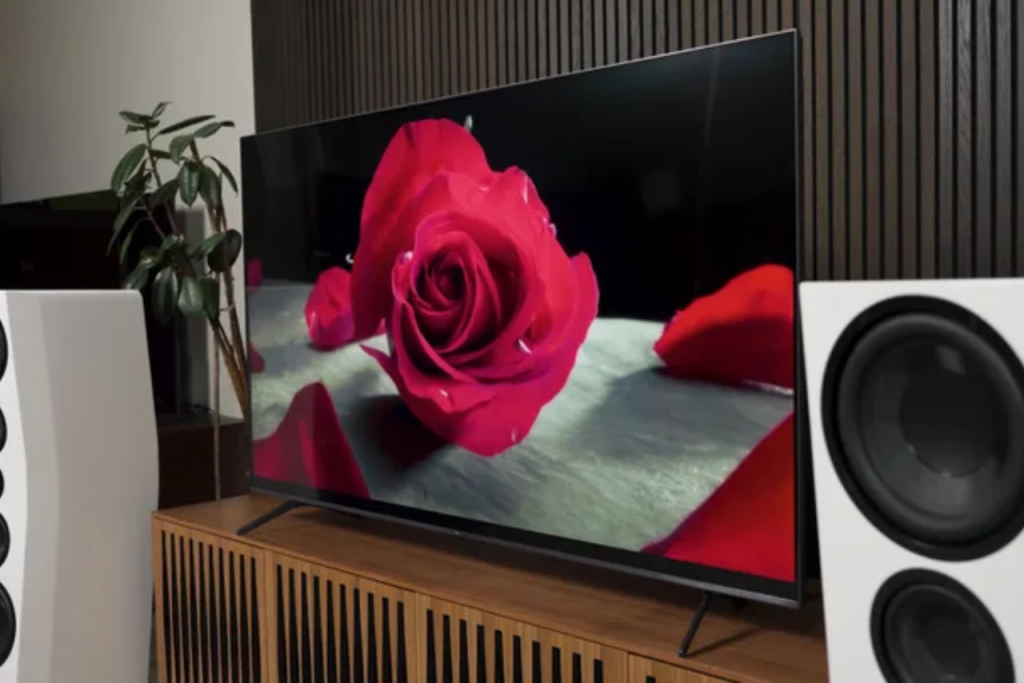
The TCL QM6K line ranges from a 55-inch TV starting for well under $500, all the way to a massive 98-inch TV. The 55-inch I have for this review is the smallest in this line, but it shares most of the features with its bigger-size siblings in the line.
- Brand: TCL
- Display Size: 55 inches
- Display Type: Mini-LED
- Display Resolution: 4K (3840 x 2160)
- Refresh rate: 144Hz (Up to 288)
- Dimensions: 48.4 x 30.5 x 11.6 (without stand)
- Operating System: Google TV
- Connectivity: Wi-Fi 5 (802.11ac)
- Speakers: ONKYO 2.1 Speaker System
- Weight: 27.3 lbs
- Others: HDR10, HDR 10+, HLG, Dolby Vision, Dolby Vision gaming, Dolby Vision IQ, 240hz Variable Gaming Refresh Rate
While I’m looking at the 55-inch TCL 55QM6K, this review still applies to the entire 2025 series. All sizes have similar specifications, the same stunning picture quality, the same upgraded local dimming zones, and TCL’s Halo control system to deliver superb inky blacks, and the experience should be similar across the range.
- 55-inch: TCL 55QM6K
- 65-inch: TCL 65QM6K
- 75-inch: TCL 75QM6K
- 85-inch: TCL 85QM6K
- 98-inch: TCL 98QM6K
On paper, the QM6K is TCL’s current entry-level, but I just can’t call it a budget TV line. While it isn’t quite as fancy as the newer QM7K line, with stretches to a humongous 115 inches and triples the dimming zones, it’s by far a feature-packed TV with excellent picture quality, great black levels, lots of ports, and a very palatable price.
The TCL QM6K manages to impressively balance price and performance, and is great for gaming as well.
Design & Features
The TCL QM6K is available in different sizes, so whether you need something small for a mid-size living room or a sprawling home theater console, the options are available.
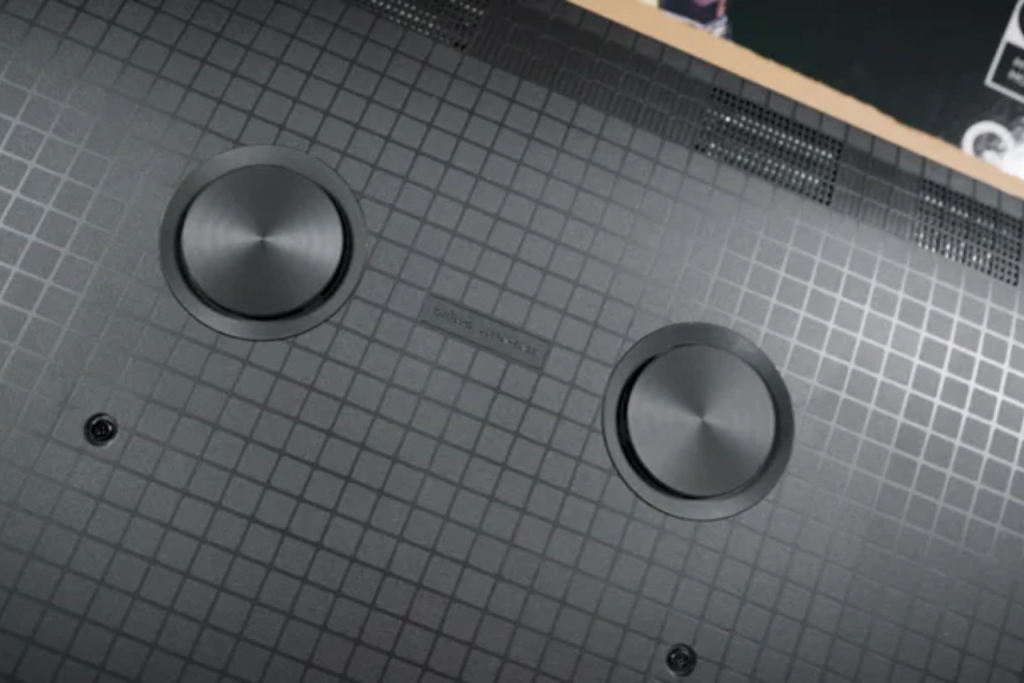
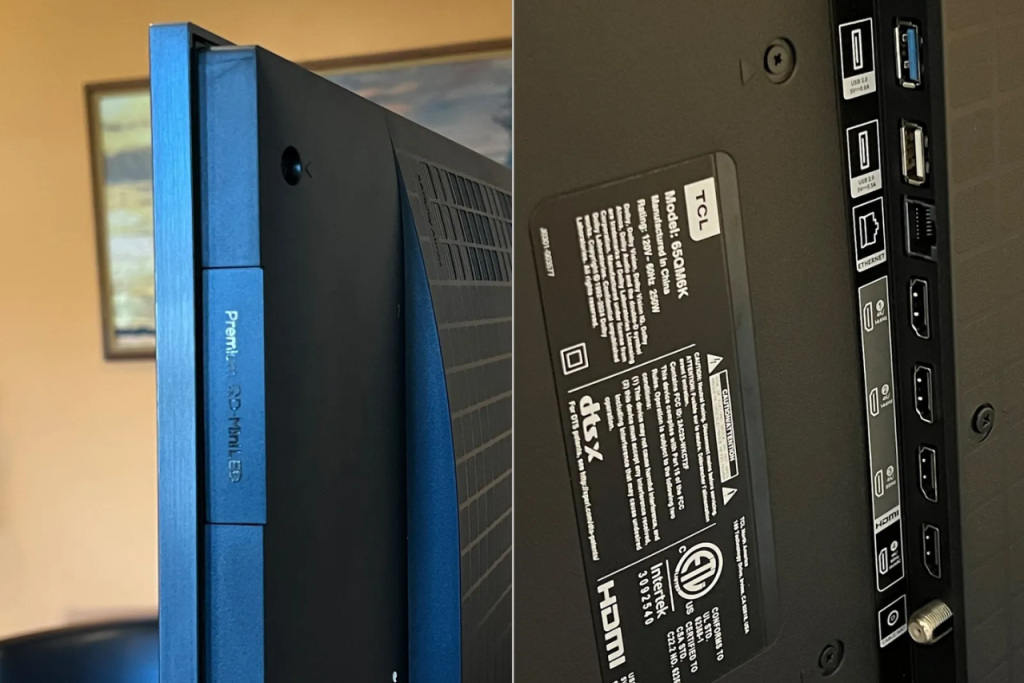
Lately, TVs have become thinner and slimmed down on bezels, and the TCL QM6K sticks to that one look. It has thin bezels around the screen that almost disappear during viewing, except on the bottom panel, where it’s a little thicker to accommodate the logo and other controls. Around the back, it has a slightly tapered shape that not only makes its upper segment look thin but also allows the pair of raised speaker ports to maximize their audio delivery.
For ports, all of them are side-facing for easy access, and they include: four HDMI inputs (two HDMI 2.1 with one supporting eARC), optical digital audio output, Ethernet, RF inputs, and both USB 3.0 and USB 2.0 ports.
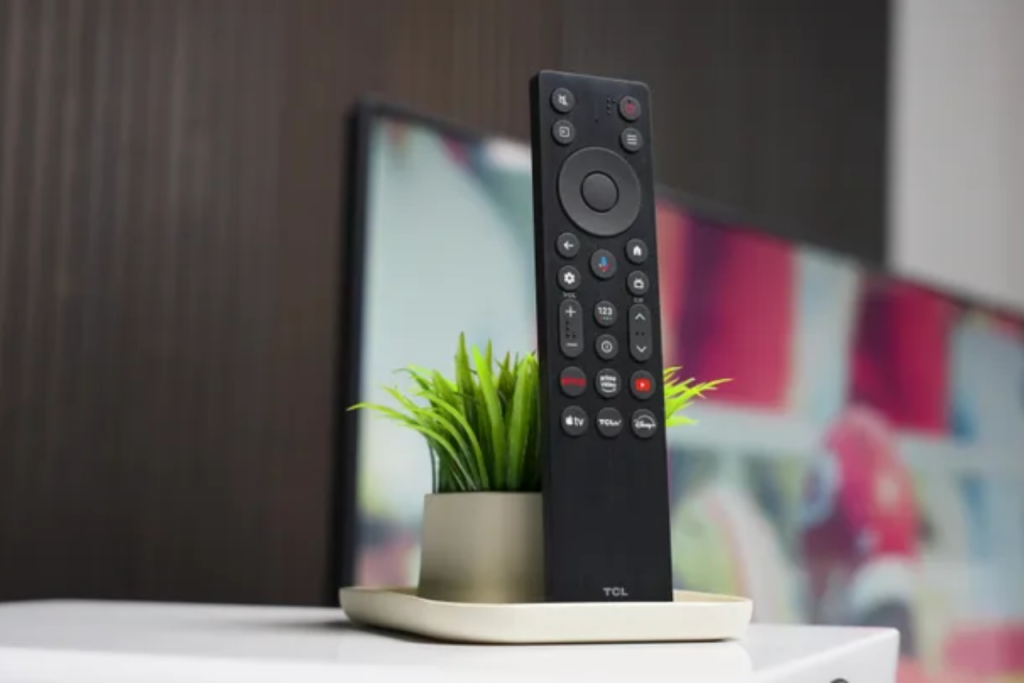
The remote is the usual black wand with a directional wheel and a button in the center for settings, input source, and a sponsored button for Netflix, etc. It also has a voice button for hands-free usage that works fine, although I’m not a voice search enthusiast. The online issue with the remote is the lack of a dedicated play/pause button for streaming.
Dolby Vision IQ is perhaps the standout feature on this TCL as it adjusts the TV’s brightness based on the available ambient light in the room. It makes viewership more immersive; you can see what’s on the screen when it’s bright, and it dims the picture to a more pleasurable level for night viewing. Along with Adaptive Brightness, Dolby Vision IQ is accessed via the menu, and you can toggle a blue light filter to minimize eye strain. The 55QM6K also supports the HDR10+ high dynamic range format.
Picture Quality
The TCL QM6K is TCL’s entry-level Mini LED television for 2025, meaning the TCL QM7 from 2024 (now more affordable than the QM6K) sits higher up on the line. The price reduction is because it’s last year’s model, but it will be difficult to justify spending more for the entry-level QM6K versus picking up the TCL QM7 mid-level television at a lower price.
There are reasons one would do so, however. Firstly, color performance on the QM6K is almost as good as that of the TCL QM7. It covers 99.8%, 81.3%, and 89.6% of the sRGB, Adobe RGB, and DCI P3 color gamuts, respectively – all with an average Delta E of 0.64 and never more than 2.85, which is outstanding. Other than a slight dip in Adobe RGB coverage –which only matters if you’ll be using the TV as a monitor for color-centric tasks- the TCL 55QM6K’s color differences compared to the QM7 are going to be negligible.
Again, the 55QM6K falls head-to-head with the mid-level TCL QM7 in peak brightness. The newer TCL peaks in the 900 nits range, which is pretty below the 1,500 nits that the QM7 supports. It may look like a downgrade, but practically it isn’t because TCL sacrificed some brightness to compensate and overcome some major flaws in the QM7: off-angle viewing and halo.
For large living rooms, a wide viewing experience is important for everyone, likely seated in a wide fan shape around the TV, as they can see the same high-quality image. Most LED TVs, especially affordable ones, often see an immediate and noticeable deterioration in quality by shifting even a few degrees in any direction. The 55QM6K and all sets in this lineup have no perceptible loss in color saturation or contrast between viewing it head-on and seeing it from the sides, which is extremely impressive.
Additionally, the QM6K utilizes TCL’s Halo Control Technology to keep objects on the screen from bleeding into dark backgrounds, an effect referred to as halos or blooming. Sometimes I find this tech to be a marketing gimmick or something that makes a very small difference. That’s not the case here, though. Halo Control technology on the TCL QM6K performs well as advertised.
About the only issue I have with this TV’s picture quality is that there is some very minor vignetting in the corners of the screen. Well, if you’re looking at it head-on, you can’t see it, but once you go off-axis slightly, it’s fairly visible. It’s a few millimeters of vignetting, so you’ll hardly notice it, but it’s there.
Also, the sound quality on the TCL 55Q6K sticks to the trend of poor audio quality on modern slim TVs. It’s a 2.1-channel, 40W Onkyo speaker system that’s mostly good, but its limitations are quite noticeable here. Even with the extras of Dolby Atmos and DTS:X that are nice to have, the sound is limited by the physical confines of the speakers and their placement.
Gaming Performance
Gaming support is another area where the TCL QM6K impresses, especially considering the pricing compared to most dedicated gaming TVs. TCL says that you expect your games to look and feel fantastic on this TV, backed by the Variable Refresh Rate (VRR) accelerator, which upscales the 144Hz HDMI 2.1 maximum throughput and doubles it to a perceived 288Hz.
For most of us, it’s not easy to tell the difference after you start going higher than 150Hz, but all I can say is that competitive multiplayer games feel really immersive. Multiplayer titles such as Marvel Rivals and Apex Legends run smoothly and feel buttery with no lag or perceived frame loss, and that’s no mean feat at this price point.
TCL also includes support for AMD FreeSync Premium Pro, which gives gamers a good experience whether they are using a PC or a console. Having a 144Hz native refresh rate also means the panel is capable of matching the speeds that are pushed to it, so even without VRR, the TCL 55QM6K is a capable performer as an OLED for competitive gaming.
Google TV Smart Platform
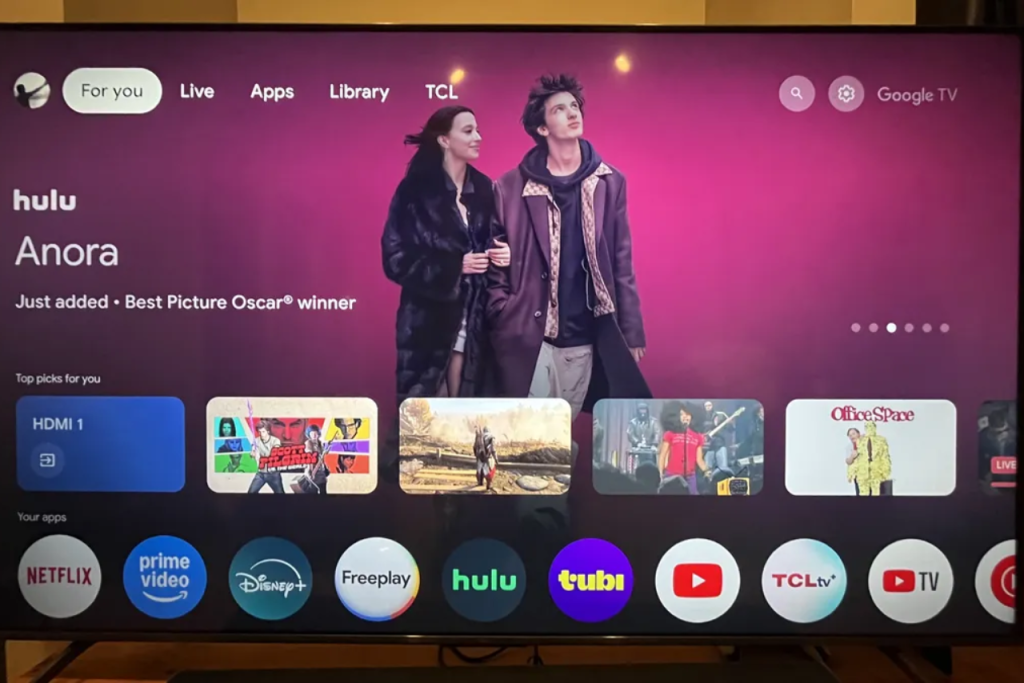
TCL, like Hisense and Sony, uses Google TV as the operating system for this lineup, and it’s a stock system with just a few tweaks that make it specific to the TCL experience. Google TV is a treat to use – even for those used to Roku or Apple TV interfaces, especially a grid of app tiles – the Google TV Smart OS gives a cleaner view of information, and it’s a less ad-filled OS than one would get with an Amazon Fire TV stick.
The settings menu, which is integrated into the Google TV Smart OS, is robust. So, even with the availability of different settings to interact with, ranging from different modes, contrast options, to presets like Gamma, you never get lost when in the menu settings. And, being a Google TV, hands-free voice control is available. Just a” Hey Google into the far-field mic array built into the TV calls up the menu, a nice touch when you don’t want to fiddle with buttons.
TCL 55QM6K Review: Bottom line
The TCL 55QM6K punches above its weight in value and performance. And that’s even before considering the prices that sometimes drop well below most competing Mini-LED TVs from Hisense, Sony, and Samsung.
In this segment, the QM6K is going to be against its own siblings, as mentioned, the 2024 TCL QM7 and QM8, which are both higher-tier televisions in TCL’s lineup and are also both less expensive than the QM6K at the time of writing this review, as they are considered old stock now.
Still. I’m convinced that for a supremely bright living room with windows right across, the 55QM6K or its other models in this range earns its price bump for the dramatically improved viewing angles and halo suppression, as well as fantastic contrast and great colors. Plus, its gaming credentials make a good showing compared to any other entry-level TVs we’ve seen recently.
The QM6K TV gets the basics right, does everything right, and does it without costing an arm and a leg. Sure, you can get a random 55-inch for even less, but it’ll be nowhere near the quality, brightness, or accuracy of this 2025 model with Mini-LED.
If you’re keen to score the best balance of price and performance, the TCL 55QM6K should be at the top of your short list. TCL does have more expensive models with better features up in the lineup, but if you’re on a tight budget, this is the one to buy.
Price Comparison

Affiliate Link Disclosure
In some of our articles and especially in our reviews, you will find affiliate links.For more information, you can read our full disclaimer.
