
Best Deal Today
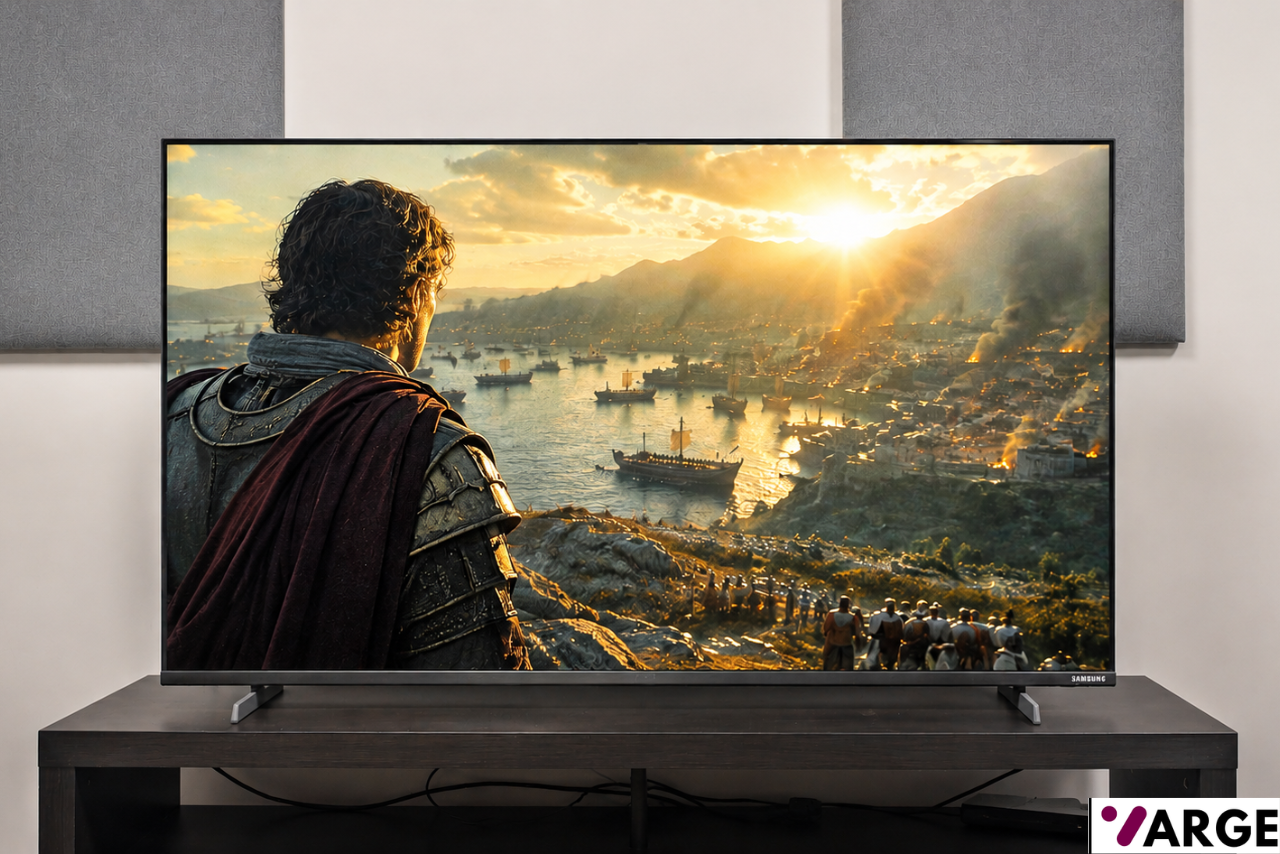
The Samsung U8000H is an entry-level 4K TV that gets many of the basics right. It has a clean, modern design, Samsung’s polished Tizen smart-TV platform, useful connected features and a sharp enough picture for everyday entertainment.
However, beyond being part of the popular Samsung family, the U8000H might fail to impress, especially if you’re looking for a picture-quality powerhouse. Its 4K LED panel and Crystal Processor 4K deliver a pleasant image for regular TV shows, streaming and YouTube, but the TV lacks the advanced display hardware found higher up Samsung’s range. The 60Hz-class panel also means it isn’t the ideal choice for gamers looking for a premium 4K gaming experience.
This puts the U8000H in an increasingly competitive part of the TV market. Budget TVs such as the Hisense U6 Pro and TCL QM6K have pushed features such as QLED color, Mini-LED backlighting and higher refresh rates further down the price range, making the Samsung’s basic LED panel harder to justify if picture quality is your priority. That doesn’t make the U8000H a horrible TV.
If you want a reliable Samsung TV for everyday viewing and find it at an attractive price, there’s plenty to like. If you want the best possible HDR, contrast or gaming performance for your money, however, you’ll need to look beyond it.
Samsung U8000H Specs
- Resolution: 4K (3,840 x 2,160)
- Display: LED LCD
- Refresh rate: 60Hz
- Processor: Crystal Processor 4K
- HDR: HDR10+
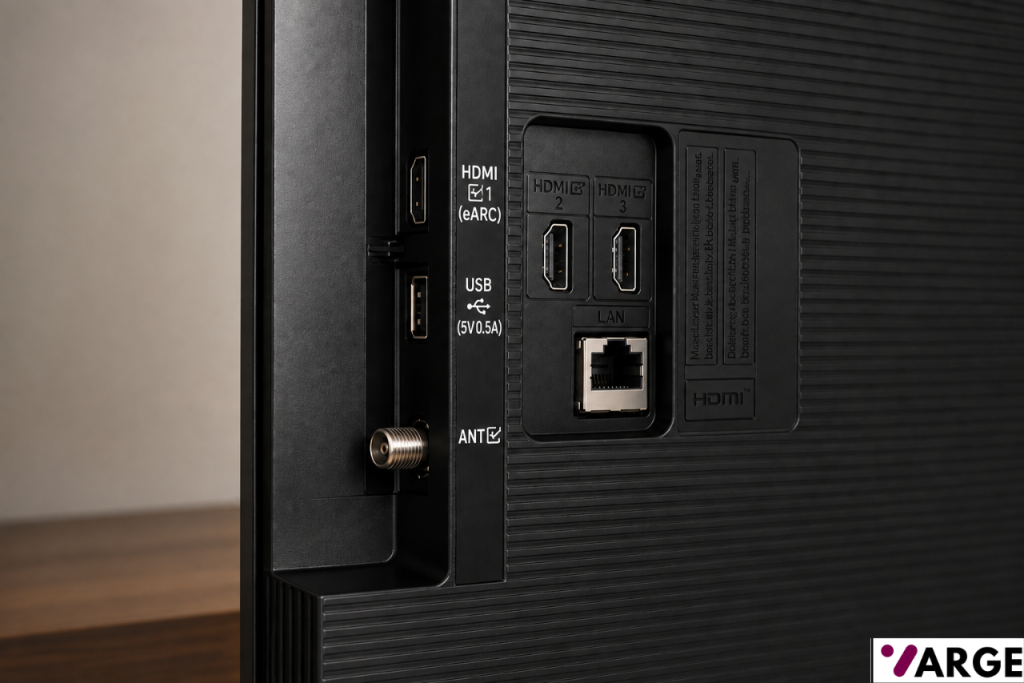
- HDMI: 3
- Smart TV: Tizen
- Audio: 20W, 2-channel
- Gaming: ALLM, VRR
- Upscaling: 4K Upscaling
Features
Samsung has packed the U8000H with a surprisingly long list of features. The TV supports HDR10+, Filmmaker Mode, 4K upscaling, Motion Xcelerator and Samsung’s UHD Dimming technology. There is also Auto Low Latency Mode and gaming-focused functionality for console players.
Samsung’s Vision AI Companion is another addition, bringing AI-powered capabilities to compatible content and services. For connected-home users, SmartThings support allows the TV to work with compatible Samsung devices and smart-home products, while Samsung TV Plus provides access to free streaming channels.
The problem is that many of these features are more impressive on the specification sheet than they are at transforming the actual viewing experience.
Take gaming as an example. The U8000H has useful gaming features, but its 60Hz-class panel and 4K/60Hz HDMI limit what it can actually deliver. By comparison, the Hisense U7Q has a Mini-LED display, QLED color and a native 144Hz gaming mode, making it a considerably more capable gaming TV.
That doesn’t make the U8000H’s features useless. It simply shows that Samsung’s entry-level model is designed around everyday viewing rather than maximum performance.
Picture Quality
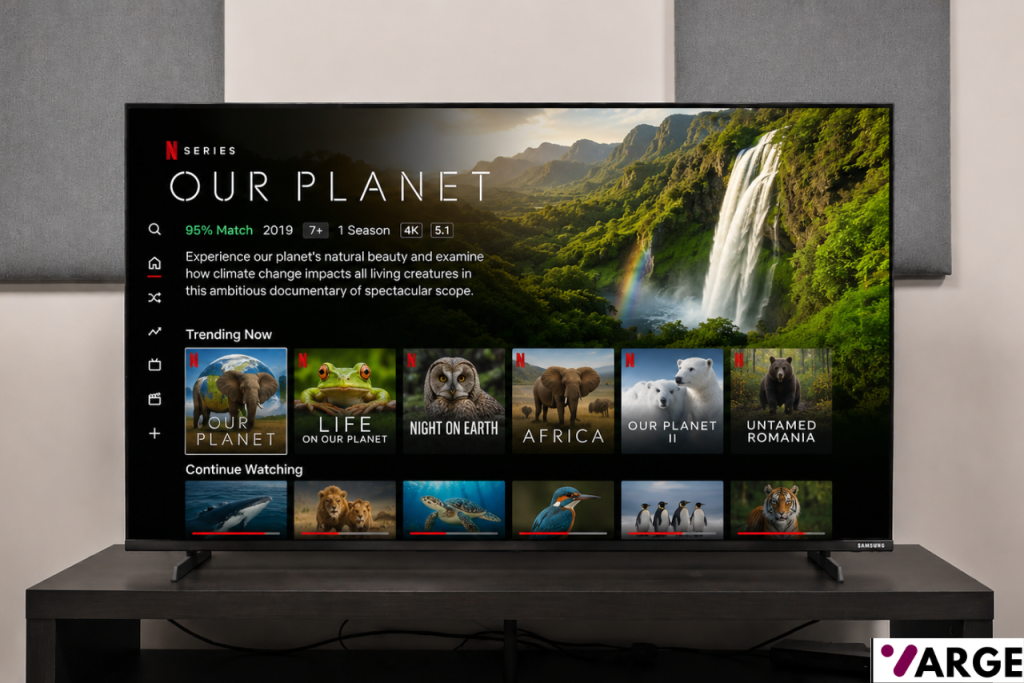
Picture quality is perhaps the biggest co sideration we often make prior to buying a bew TV set. The U8000J produces a clean and detailed 4K image, and Samsung’s Crystal Processor 4K does a good job with everyday content. Streaming shows look sharp, YouTube videos are enjoyable and lower-resolution television content benefits from the TV’s upscaling.
For normal daytime viewing, there is very little to complain about. The problems become more obvious with demanding content. The U8000H doesn’t have the sophisticated Mini-LED backlighting found on TVs such as the Hisense U7Q or TCL C7K. That matters when watching dark movies or HDR content, where better backlight control can produce deeper blacks, brighter highlights and greater overall contrast. The TCL C7K, for example, uses Mini-LED technology and a high-refresh-rate panel, putting it in a different performance class from the U8000H.
The difference is particularly noticeable in a dark room. Black areas on the U8000H don’t have the same depth and separation you get from a good Mini-LED television, while an OLED remains a step above both for black levels.
HDR is another area where the U8000H’s entry-level hardware becomes apparent. The TV can display HDR content, but supporting HDR and delivering impressive HDR are two different things. The U8000H doesn’t have the brightness and sophisticated light control necessary to make bright highlights really stand out against deep blacks.
Gaming Performance
Gaming is yet another weaker area for the Samsung U8000H. Fast-moving objects can look noticeably blurry because of the panel’s slow response, while 60Hz content can also show some judder. Sports such as football, Formula 1 and basketball remain watchable, but quick camera pans and players running across the screen don’t look as clean as they do on a 120Hz TV.
For casual gaming, the U8000H is usable, but it isn’t designed for serious gamers. EA Sports FC 26 and Forza Horizon 5 look reasonably sharp and playable, while slower games such as The Sims 4 are a better match for the TV. However, fast games such as Call of Duty: Black Ops 7, Fortnite and F1 25 expose the panel’s motion blur more readily, particularly during rapid camera movement. The TV also has above-average input lag, so controls don’t feel as immediate as they do on a good gaming-focused TV.
The bigger limitation is connectivity. All three HDMI ports are limited to 4K at 60Hz, so the U8000H can’t take full advantage of 4K/120Hz gaming from a PlayStation 5, Xbox Series X or gaming PC. A TV such as the Samsung QN80H Neo QLED, with four HDMI 2.1 ports and a 144Hz refresh rate, is a substantially better choice for high-frame-rate gaming.
Sound Quality
The built-in sound system is functional rather than exciting. Samsung gives the U8000H a 20W, 2-channel speaker system with OTS Lite and Adaptive Sound. The speakers are perfectly adequate for everyday television, news, YouTube and casual movie watching. Dialogue is clear enough and there is sufficient volume for a normal room.
The problem is bass. There isn’t enough low-end power to make action movies or music sound particularly immersive, and the soundstage is relatively limited. This is where adding a soundbar makes sense.
Samsung’s Q-Symphony support is a useful addition if you pair the TV with a compatible Samsung soundbar, allowing the TV speakers and soundbar to work together.
Some competing TVs, particularly larger TCL and Hisense models, put more emphasis on built-in speaker hardware. But for most U8000H buyers, a separate soundbar like the MZEIBO TV Sound Bar will provide the bigger improvement.
Design
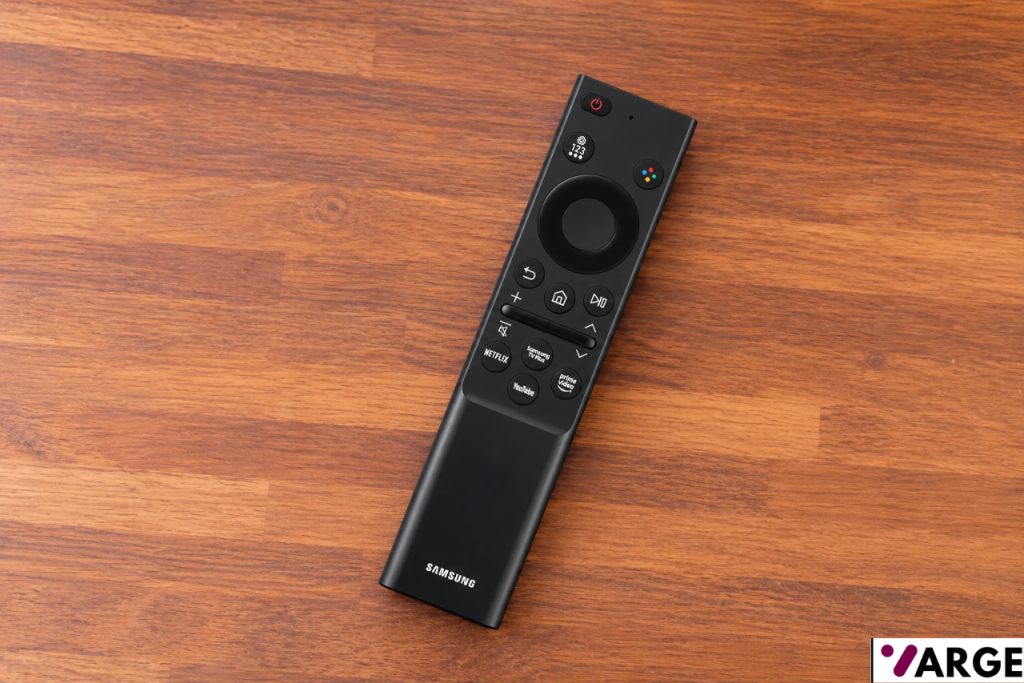
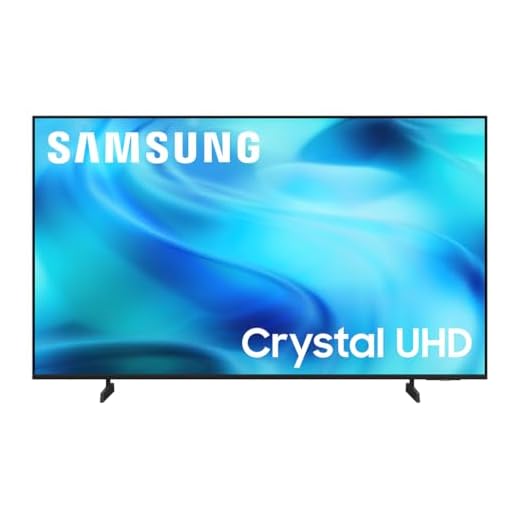
Samsung has done a good job making the U8000H look more expensive than it is. The TV has a clean, minimalist appearance with slim bezels around the display and a simple chassis. Samsung calls the design “Metal Stream”, while the screen uses a three-bezel-less design.
It doesn’t have the bulky appearance associated with some cheaper televisions, making it an easy fit for a modern living room. The slim profile is particularly useful if you plan to wall-mount it. The television looks neat from the front, with the screen taking most of the attention rather than the surrounding frame.
Build quality is also perfectly respectable for an entry-level model. There is nothing especially luxurious about the materials, but Samsung has avoided making the U8000H look cheap. That’s important at this price because design can make a noticeable difference when the TV is sitting in the centre of a living room.
The overall impression is simple: the U8000H looks like a Samsung TV should.
Smart tv & Menus
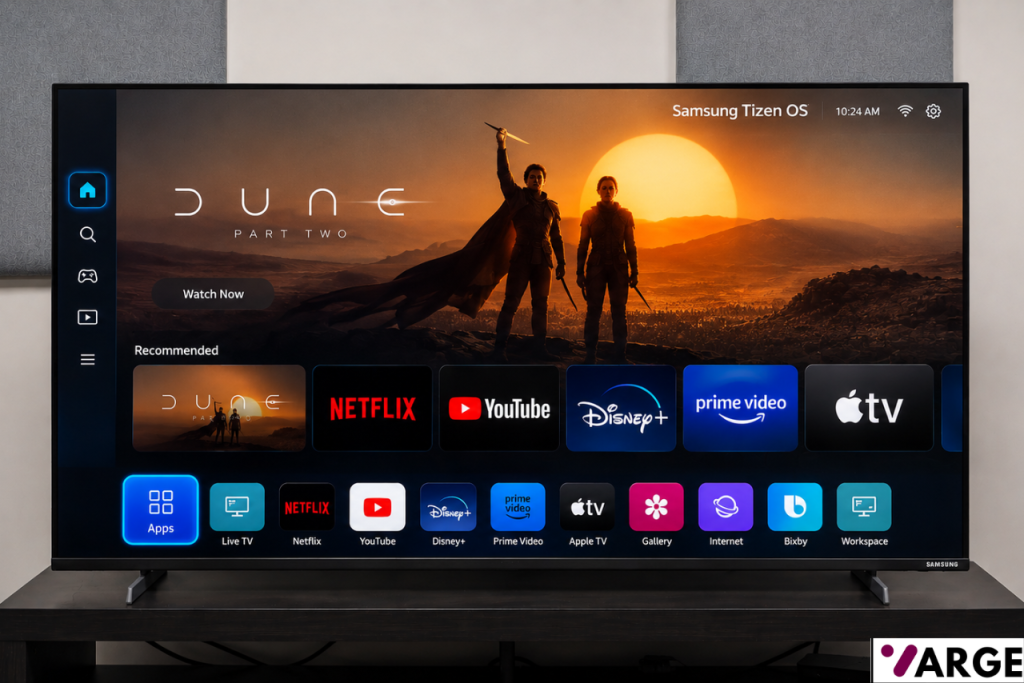
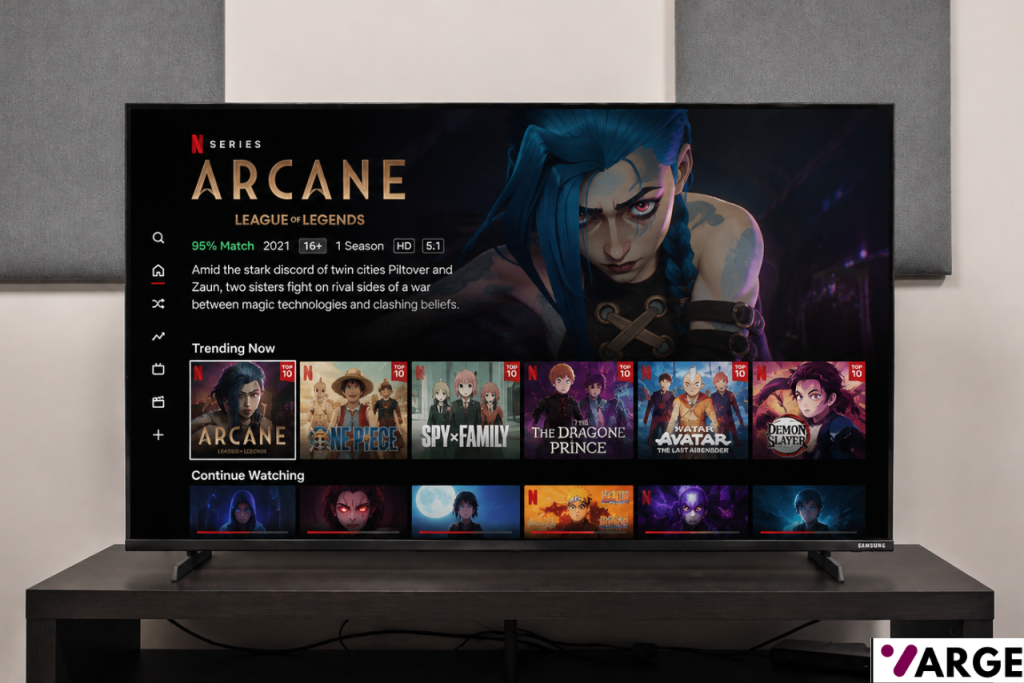
Samsung’s Tizen smart-TV platform is mature, responsive and packed with apps and services. The interface gives you easy access to popular streaming services, Samsung TV Plus and other entertainment apps, while features such as Bixby, SmartThings and Samsung’s connected-device ecosystem add useful functionality.
The TV also integrates well with Samsung’s wider ecosystem. If you already use Samsung phones, tablets, soundbars or smart-home devices, the U8000H fits naturally into that setup.
This is where Samsung has an advantage over some budget competitors.
A TCL or Hisense TV may offer better display hardware for the money, but Samsung’s Tizen experience is one of the U8000H’s strongest reasons to choose it. The menus are generally easy to navigate, although Samsung’s growing collection of features can make the interface feel a little busy at times.
Still, this is one area where the U8000H feels more premium than its price suggests. The software experience is considerably stronger than the display hardware.
Value
The Samsung U8000H offers good value only when its price reflects its entry-level display hardware: you’re getting Samsung’s polished Tizen experience, attractive design and reliable everyday 4K performance, but not the stronger HDR, contrast or gaming features available on more advanced TVs.
If the Hisense 65E7SF or TCL QM64L is available for only a little more, those models are considerably more compelling because they add Mini-LED backlighting and high-refresh-rate panels.
The Samsung U8000H therefore makes the most sense when it is substantially cheaper than those alternatives; otherwise, spending extra on a better panel will give you a much more noticeable improvement in picture quality than the Samsung name or Tizen interface alone.
Should you buy the Samsung U8000H
Samsung U8000H Scorecard
Design — 4/5: The U8000H has a clean, slim, three-bezel-less design that looks more premium than its entry-level positioning suggests.
Value — 3/5: It’s reasonably priced for a Samsung 4K TV with Tizen, but the value becomes harder to defend when models such as the Hisense U7Q and TCL QM64L offer more advanced display hardware for similar money.
Performance — 2.5/5: The 4K picture is adequate for everyday viewing, but low brightness, limited contrast, lack of local dimming, blurry motion and a 60Hz limit hold it back for HDR movies, sports and serious gaming.
Overall — 3/5: The U8000H is a decent everyday Samsung TV, but its basic display performance makes it difficult to recommend over better-equipped competitors unless you find it at a significant discount.
Buy it if you want…
- A reliable everyday TV: It delivers a sharp 4K picture for Netflix, YouTube, broadcast TV and general family viewing.
- Samsung’s Tizen experience: The polished interface, wide app selection and SmartThings integration make it easy to live with.
- A stylish TV at a good price: Its slim, clean design looks more premium than its entry-level positioning, especially when heavily discounted.
Don’t buy it if you want…
- Excellent HDR performance: Its basic LED panel can’t match the brightness, contrast and highlight control of Mini-LED TVs such as the Hisense E7 or TCL QM64L.
- Serious 4K gaming: The 60Hz-class panel and 4K/60Hz HDMI limit it compared with 120Hz and higher-refresh-rate TVs designed for PS5, Xbox Series X and PC gaming.
- A premium home-cinema experience: Its black levels, contrast and built-in sound fall short of what you’d get from an OLED or a higher-end Mini-LED TV.
Also consider
Hisense 65E7SF
If picture quality is more important than Samsung’s software experience, the Hisense 65E7SF is worth considering. It uses a more advanced Mini-LED/QLED approach, giving it a stronger foundation for brightness, contrast and HDR than the conventional LED panel in the U8000H. That makes the Hisense the more compelling choice for movies, HDR content and anyone who wants a more impactful picture, provided its price is close to the Samsung.
TCL QM64L
The TCL QM64L is another strong alternative, particularly for gamers. Its 120Hz/144Hz-class display gives it a major advantage over the U8000H’s 60Hz-class panel, making fast-moving games and sports look smoother while providing more headroom for high-frame-rate console and PC gaming. If the two TVs are similarly priced, the QM64L’s higher-refresh-rate display makes it the more attractive performance-oriented option, although its Fire TV interface may appeal less to buyers who prefer Samsung’s Tizen experience.
Price Comparison


Disclosure: VARGE is reader-supported. When you buy through links on this page we may earn an affiliate commission, at no extra cost to you. Our picks are chosen on the merits — commissions never influence the ranking. Read more.